

SPAIN: Police infiltration of movement organising spaces points to a systemic surveillance practice


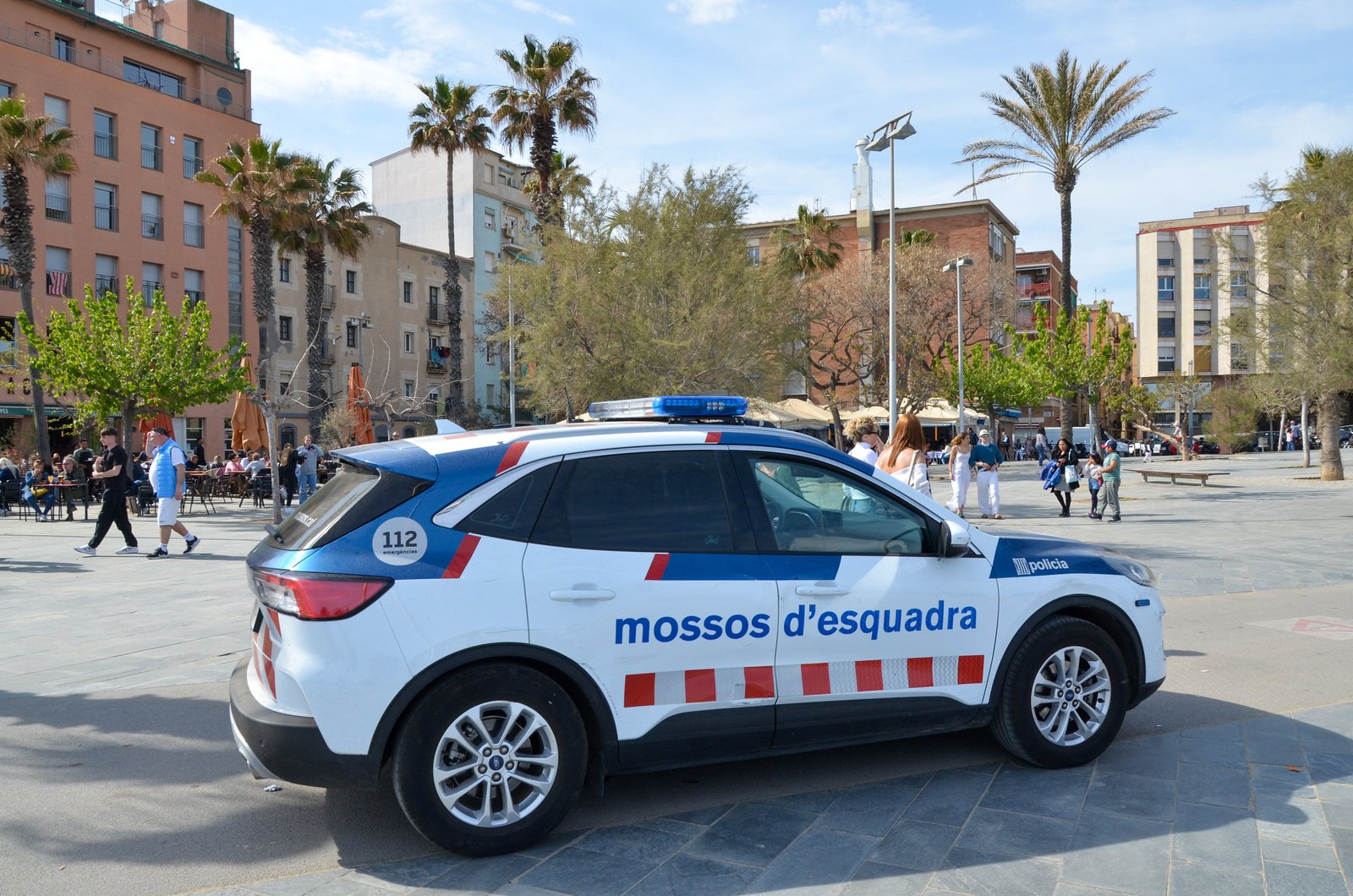
New cases of police infiltration of social and labour organising spaces were reported in Spain in spring 2026. In May, two police officers from the Catalan autonomous police force infiltrated a teachers’ assembly at a school in Barcelona where strike actions were being planned. While authorities framed their presence as a preventive risk-assessment measure, trade unions and civil society actors warned that the operation undermined the rights to freedom of association and assembly. Further journalistic investigations showed that the case was not an isolated exception, but similar cases of monitoring of strike planning and labour movements have occurred.
The incident took place against a broader context of increased teachers’ mobilisations and restrictions throughout the spring across Spain. Civil society reported on unjustified identity checks, threats of charges or arrest, proposed sanctions, checks carried out after demonstrations had ended, and officers without visible identification. Shoving, baton strikes, police encirclement of protesters, individual extractions from crowds, and neck grabs were also reported during protests in Barcelona. In the Valencian Community, unions reported police violence during rallies outside the regional education department, including injuries, people being dragged, and the removal of protesters engaged in passive resistance.
A journalistic investigation revealed another infiltration case: the thirteenth in Spain since 2022. Over a year and a half, an officer of the Spanish National Police used a false identity to join and monitor Palestine solidarity and social justice groups in Madrid.
Together with the growing number of previously uncovered infiltrations, the recent cases form a wider police practice of monitoring and infiltrating environmental justice, housing, student and independence groups, and social organising spaces. According to civil society and researchers, police infiltration in Spain is becoming an established surveillance and intimidation tactic with a significant chilling effect on civic participation, undermining trust within social movements.