

SLOVENIA: Government dismantles NGO Development Fund, threatening hundreds of organisations
On 30 September 2026, the Slovenian National Assembly effectively dismantled the country’s NGO Development Fund, eliminating its dedicated source of financing and putting hundreds of civil society organisations (CSOs) at immediate financial risk. The newly adopted Act on the Public Fund for Advanced Treatment of Rare Diseases redirects the dedicated revenue of the NGO Development Fund to a new fund for advanced treatment of rare diseases. No replacement source of funding for civil society has been provided. Slovenian civil society claims that the move is not a technical budgetary adjustment but an attempt to fundamentally dismantle Slovenia’s civil society support infrastructure. The NGO Development Fund has for years provided stable public financing for hundreds of organisations. The impact will be particularly severe for organisations working on democracy, human rights, rule of law, transparency, and anti-corruption. The fund was the only dedicated national public funding mechanism supporting work in these areas, and the situation risks leaving some of the organisations that scrutinise those in power without any support.
The fund currently has €12.6 million in contractual obligations, with €4 million due in 2026, €6.7 million due in 2027, and €1.9 million due in 2028. If the plans to redirect the funding go ahead, only €7.6 million will remain, creating a potential €5 million funding gap for agreements the state has already signed with more than 300 NGOs. In practice, this means that organisations that entered public calls in good faith, were selected for funding, and signed contracts with the state may now face cuts, interrupted financing, or termination of their agreements. This would impact on programmes that are already being implemented, with staff already employed and services already being delivered to communities.
The move was pushed through in just 13 days under an urgent legislative procedure, without public consultation and despite strong objections from civil society. During the parliamentary health committee hearing on 28 September, several CSOs sought to attend the hearing and present their concerns, but most were not allowed into the room. The few representatives who could attend were not able to speak and could only listen to the proceedings. Several proposed amendments to protect existing grant agreements and secure financing for contractual obligations were rejected, and two days later, the National Assembly adopted the law.
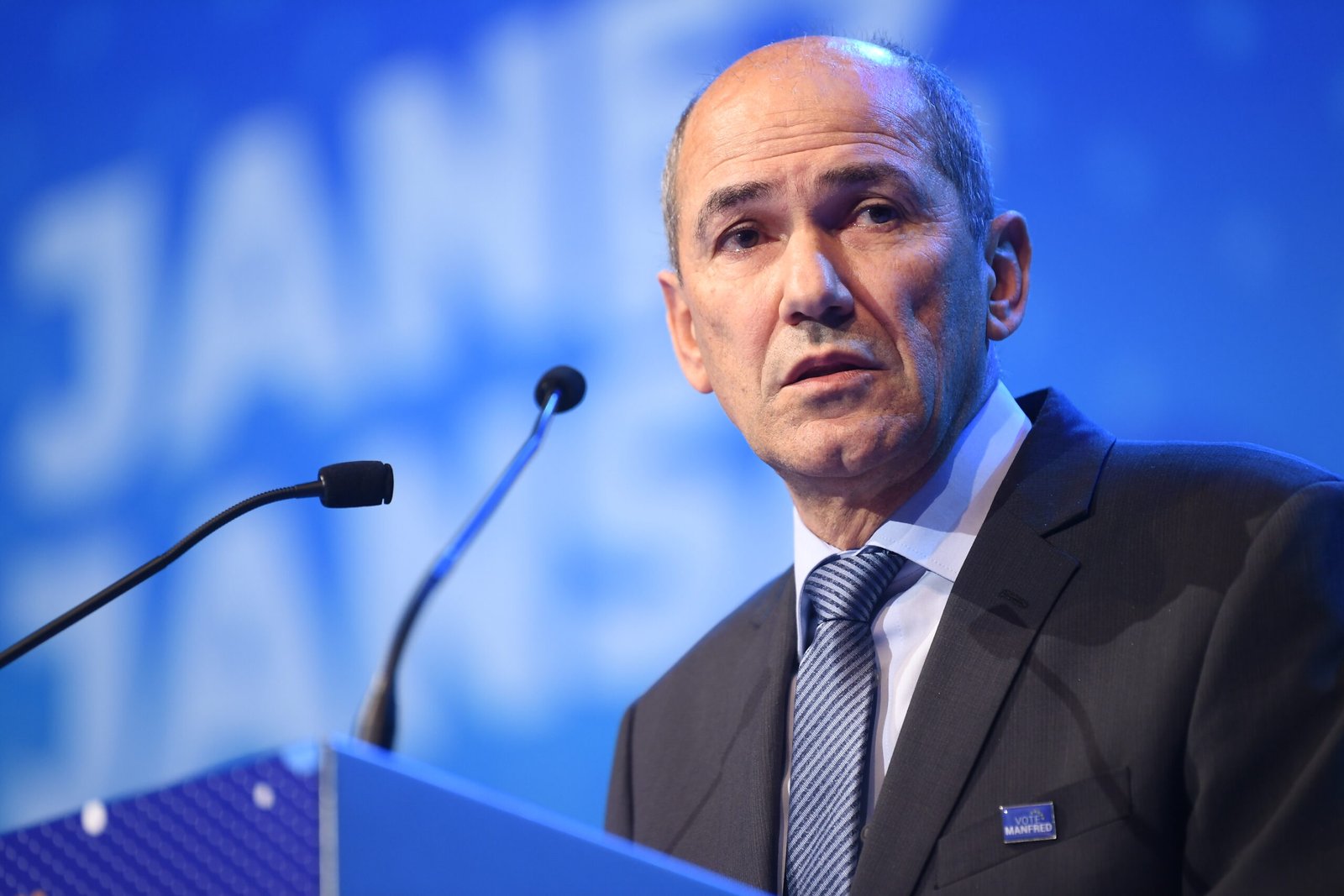
The dismantling of the fund comes in the context of wider attacks against civil society by the government. Following the parliamentary elections in March and the return of Janez Janša as prime minister, the environment for independent institutions and civil society has been deteriorating rapidly. Attacks on CSOs, allegations of non-transparent financing, and accusations of political activity were already prominent during the election campaign. In January, Janša publicly announced his intention to “turn off the taps” for NGOs, and governing coalition members have repeatedly questioned the legitimacy of public funding for CSOs. Additionally, activists have been attacked and the government amended the Parliamentary Inquiry Act to remove safeguards, enabling politically motivated inquiries into NGO financing. This crackdown extends beyond CSOs to independent institutions, such as the Equality body, the media, and the judiciary.