
BELGIUM: Proposed subsidy restrictions on “radical organisations” raise concerns

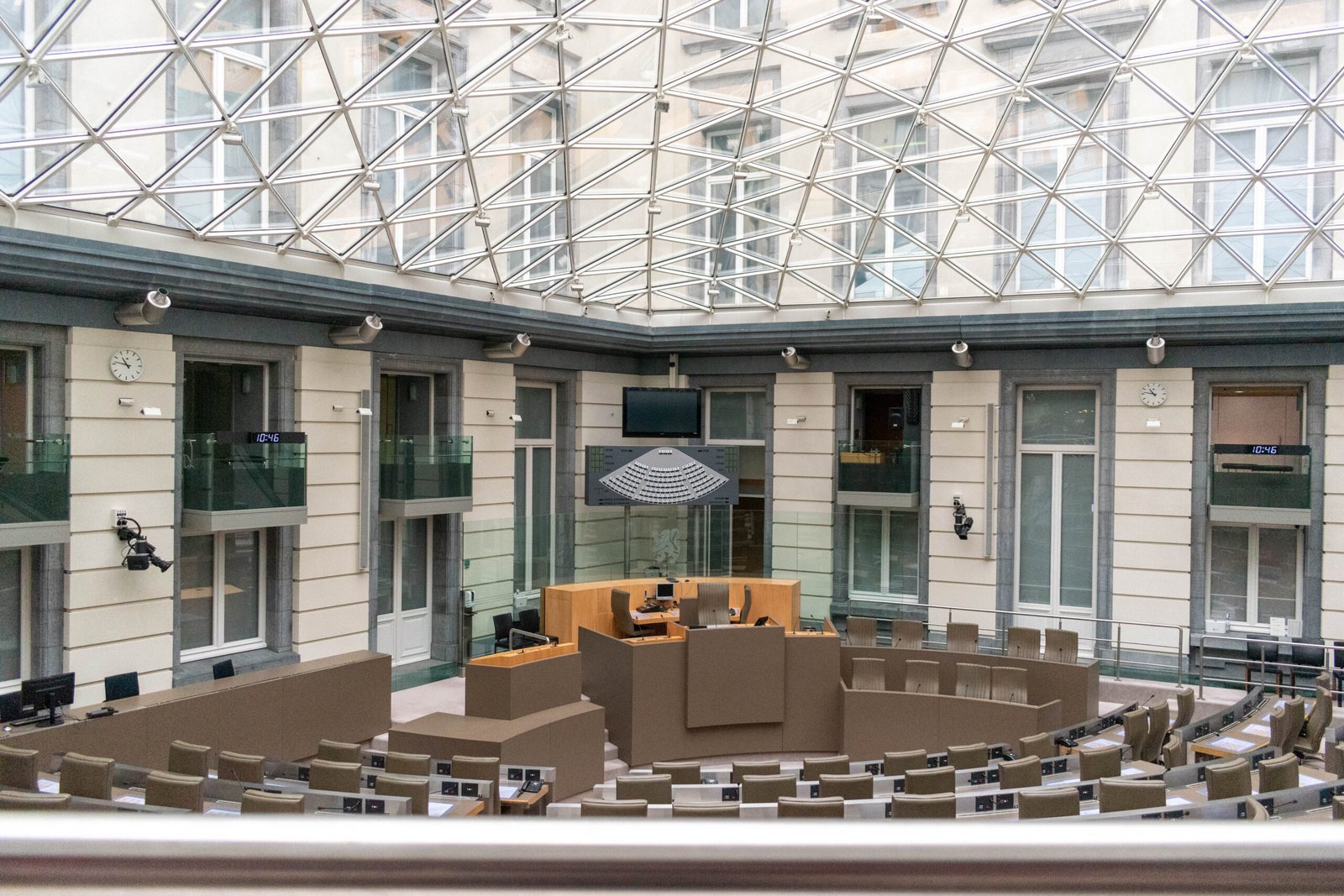
On 4 September, the Flemish government gave preliminary approval to a draft decree that would prevent certain organisations from receiving public funding and introduce administrative fines of up to €800,000 for subsidy fraud. The government presents the measures as a way to prevent subsidies from going to “individuals or organisations involved in, supporting, or inciting violent radicalisation, violent extremism, or terrorism”. However, the proposal raises concerns about freedom of association and expression and how the new requirements will be defined and applied, particularly to critical advocacy civil society organisations (CSOs) that engage in political public debate and challenge government policies. Broad or uncertain criteria for excluding CSOs from funding risk discouraging their advocacy or partnerships with marginalised groups, creating a chilling effect and self-censorship as organisations are scared of losing funding.
The initiative goes hand in hand with a separate federal law initiative allowing the ban of organisations classified as “radical” or “threatening national security” and cutting off funding from certain grassroots organisations due to their work on Palestine solidarity. The federal law initiative has been criticised by both human rights bodies and civil society for the overly broad list of acts that could lead to dissolution and risks banning organisations and activist movements critical of government policies, such as climate justice groups or Palestine solidarity groups. Previous cases show that allegations of terrorism and broadly framed counterterrorism measures have in many countries been used to restrict, intimidate or silence critical CSOs, including groups challenging government policies, underscoring the importance of clear legal definitions and safeguards against politically motivated decisions.
On 12 October, the Social and Economic Council of Flanders (SERV), representing employers and trade unions, issued its opinion on the draft. SERV also highlighted unclear provisions and insufficient safeguards, calling for clear criteria and proportionate sanctions.