
ALBANIA: Escalating repression of student-led protests

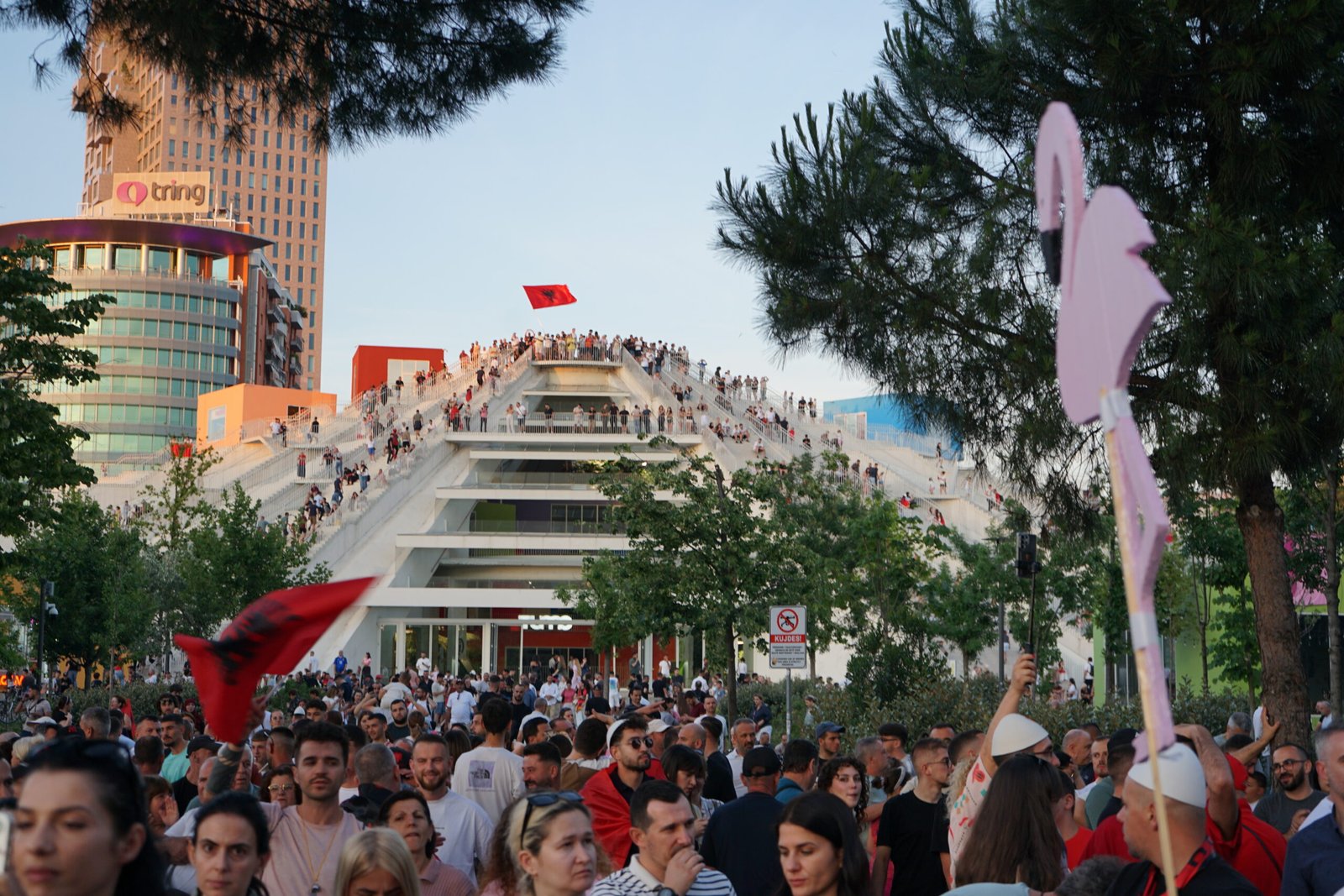
From 24-26 October, student-led education and anti-government protests in Tirana escalated, with police deploying tear gas, water cannon, and rubber bullets to disperse protesters and journalists, and using excessive force. According to reports, several protestors suffered injuries, including one protester who suffered a serious eye injury. This followed a wave of demonstrations earlier in October at which protesters were arrested and beaten and journalists were subjected to physical violence and obstruction of their work when reporting about the protests.
On 25 October, Prime Minister Edi Rama proposed tougher penalties for protesters, including a fine of 500,000 lek (approximately €5,400) for participation in a demonstration that turns violent — even where individuals have not personally committed violence. Other government proposals include protest bans of up to 72 hours around important locations, penalties for unauthorised gatherings, tougher sanctions for attacks on police and property, parental liability for minors’ violence, and disciplinary measures against teachers accused of mobilising students. Particularly concerning are plans to restrict the travel and access to services of people suspected of protest-related offences, including through a special police registry operating before conviction and plans to cooperate with EU countries to prevent protesters’ entry into the bloc. These proposals have raised serious concerns about freedom of assembly, due process, and the presumption of innocence, as well as questions over their constitutionality.
Albania’s student protests of recent months have broadened into a wider movement against corruption and the government, converging with the so-called Flamingo movement, that opposes environmental destruction and building projects at the Vjosa–Narta area, calls for the repeal of the Law on Environmentally Protected Areas, and demands the resignation of Prime Minister Edi Rama and the government.