
BELGIUM: Police violence during strike actions and protests

In early October, students staged several peaceful protests over Belgium’s French-language education system in eastern city of Liege, citing rising education costs and overcrowded classrooms, among other concerns. According to media reports, police reported more than 300 arrests involving over 100 minors, with 43 police officers injured.
During the protests, the police responded disproportionately, using tear gas and water cannon, and have been accused of racist attacks against students. Belgium’s interior minister, Bernard Quintin, has accused the antifa movement of encouraging student violence. On 7 October, Liege mayor Willy Demeyer introduced measures to prohibit all gatherings of more than three people across the whole of the city until 16 October.
On 9 October, an estimated 50,000 people peacefully gathered in Brussels as part of a national strike, organised by the General Federation of Belgian Labour (FGTB), against the government’s austerity measures. The mobilisation brought together many sectors including teachers, railway workers, construction workers, supermarket employees, and NGO workers. The action comes amid proposed austerity measures in response to a €10 billion federal budget deficit. The FGTB is opposing a potential VAT increase, changes to the automatic indexation of wages, and reforms affecting pensions, working conditions, and social security.
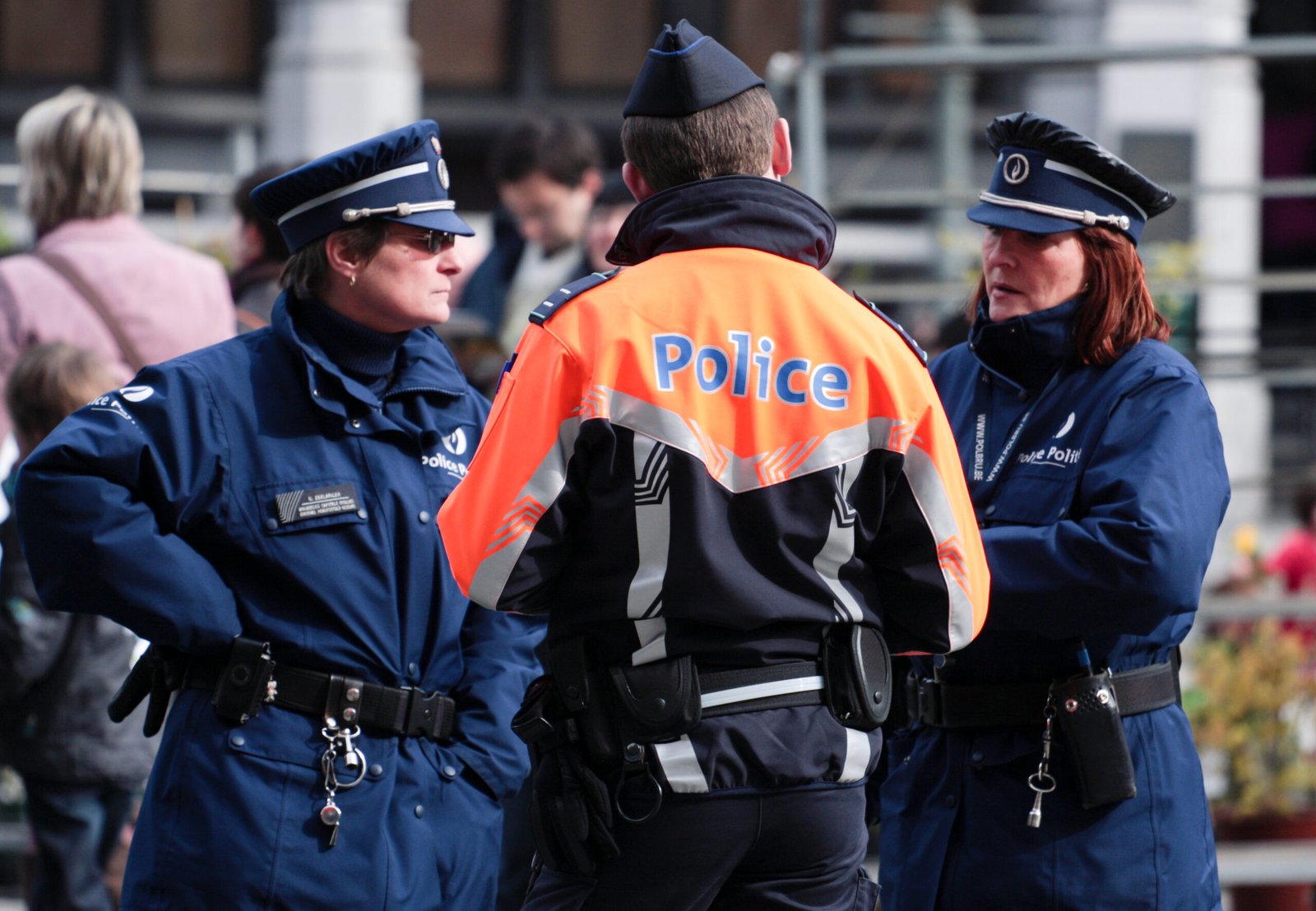
During the largely peaceful mobilisation, police used kettling, tear gas, and water cannon, and arrested 100 people, including minors. According to media reports, teenagers were physically assaulted and verbally and racially attacked by police. According to the Belgian League of Human Rights, young people faced disproportionate police force, including those who weren’t taking part in the demonstration. The organisation denounced the use of force as “completely indiscriminate”, highlighting that the use of tear gas could lead to health problems for protesters.
On 12 October, a largely peaceful public services mobilisation took place. Police used tear gas on protesters and arrested 10 people, including minors. It has also been reported that police also used physical violence against protesters, including minors.
On 17 October, protests took place both in Liege and Brussels against education reforms in French speaking schools, the earlier police violence, and the federal government. In Brussels, 150 people were arrested. The police deployed tear gas to disperse groups of protesters. Similarly, in Liege, police used a water cannon on protesters. Thus far the police oversight body has received 26 complaints related to the police action of 9 October and 17 October.
During a protest on 24 October in Brussels, police deployed excessive force and confiscated saline solution, signs, and surgical masks from protesters. The Belgian League of Human Rights declared this move illegal and argued that this will have a deterrent effect on protest participation, as people will be unable to protect themselves from tear gas.
During these protests, there have also been reports of individuals participating in violence. In response, Defence Minister Theo Francken announced his intention to set up a “gendarmerie 2.0” — to reinforce police with military-trained personnel who can respond to “major crises, riots or situations that threaten to get out of hand.” According to international human rights standards, even when violence occurs during protests, states have an obligation to facilitate the right to peaceful protest, rather than seeking unnecessary and disproportionate limitations on it.