
ITALY: Protests across the country met with disproportionate response

Since early October, protests and demonstrations have been taking place in various parts of Italy. Several have been met with disproportionate response by the authorities.
On 16 October, several largely peaceful student protests against the government’s education policies and cost of living took place across the country under the title “No Meloni Day”. While the mobilisations were largely peaceful, some incidents were reported. In several instances, the marches were blocked and the police responded leading to clashes
On 17 October, a series of mobilisations were organised against inflation, low wages, and high fuel and housing prices, and calling for secure jobs and increased funding for healthcare, schools, and universities. There were also reports of individuals committing acts of violence, mostly targeting shops, in several cities including Bologna, Milan, Turin.
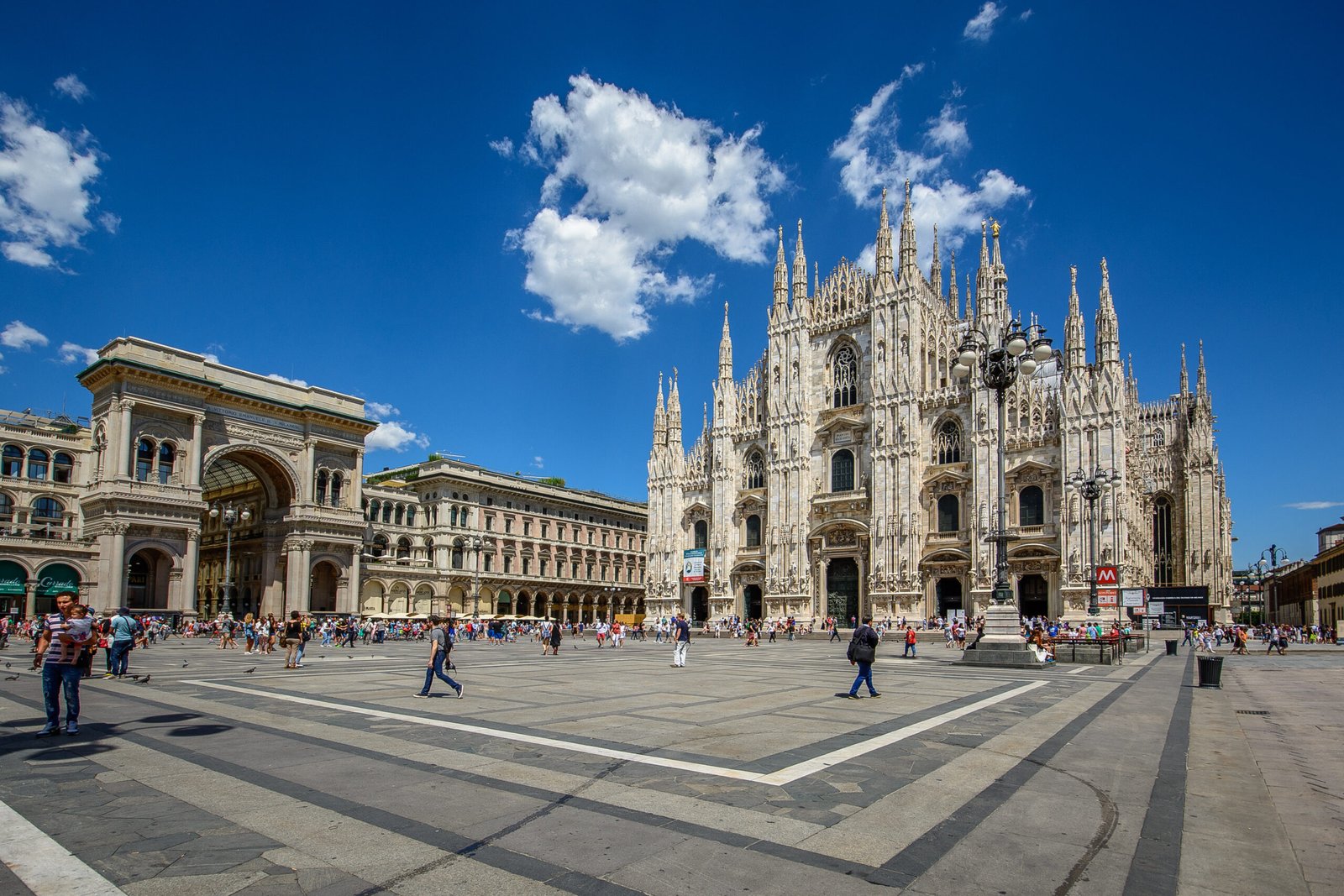
In Milan, over 6,000, mostly young people gathered in Piazza del Duomo and walked throughout the city centre. Police charged at protesters and deployed tear gas and water cannon. The protests continued during 18 October. Over 200 people were arrested over the two days, of which 80% were minors. The Hub4Defenders reported receiving reports from minors and racialized individuals, who were reportedly held at the police station for up to 12 hours without informing their parents. Reports also claims that minors were unable to make phone calls, deprived of food and water, and were not given a reason for their arrest. Incidents of detention and excessive force by police were also documented in Turin and Bologna.
During the weekend of 24-25 October, peaceful student protests took place across the country. In Bologna, Turin, and Florence, police charged the crowds and used batons, while in Milan and Rome, the demonstrations took place under heavy security. In Bologna, water cannon was used while paramedics were tending to an injured protester.
According to international human rights standards, even when violence occurs during protests, states have an obligation to facilitate the right to peaceful protest, rather than seeking unnecessary and disproportionate limitations on it. Law enforcement officials should seek to de-escalate situations that might result in violence. They are obliged to exhaust non-violent means and to give prior warning if it becomes absolutely necessary to use force, unless doing either would be manifestly ineffective. Any use of force must comply with the fundamental principles of legality, necessity, proportionality, precaution, and non-discrimination, and those using force must be accountable for each use of force.
Since mid-October, protests have also been staged by truck drivers and farmers against high fuel prices and the falling olive oil prices in the south of Italy. The actions included roadblocks, protests at toll booths, distribution slowdowns, and supply disruptions which cause serious disruption of goods and transportation. On 20 October, the government met with the trucking associations and made commitments to their demands, which were not fully satisfactory for those protesting. Despite the announcements, the sit-ins continued in Calabria, Campania, and Puglia, while in Sicily protests were suspended. The police intervened to remove the roadblocks and picket lines and the interior ministry announced it had identified 1,339 people, 242 of whom were fined and 71 reported for alleged roadblocks.