

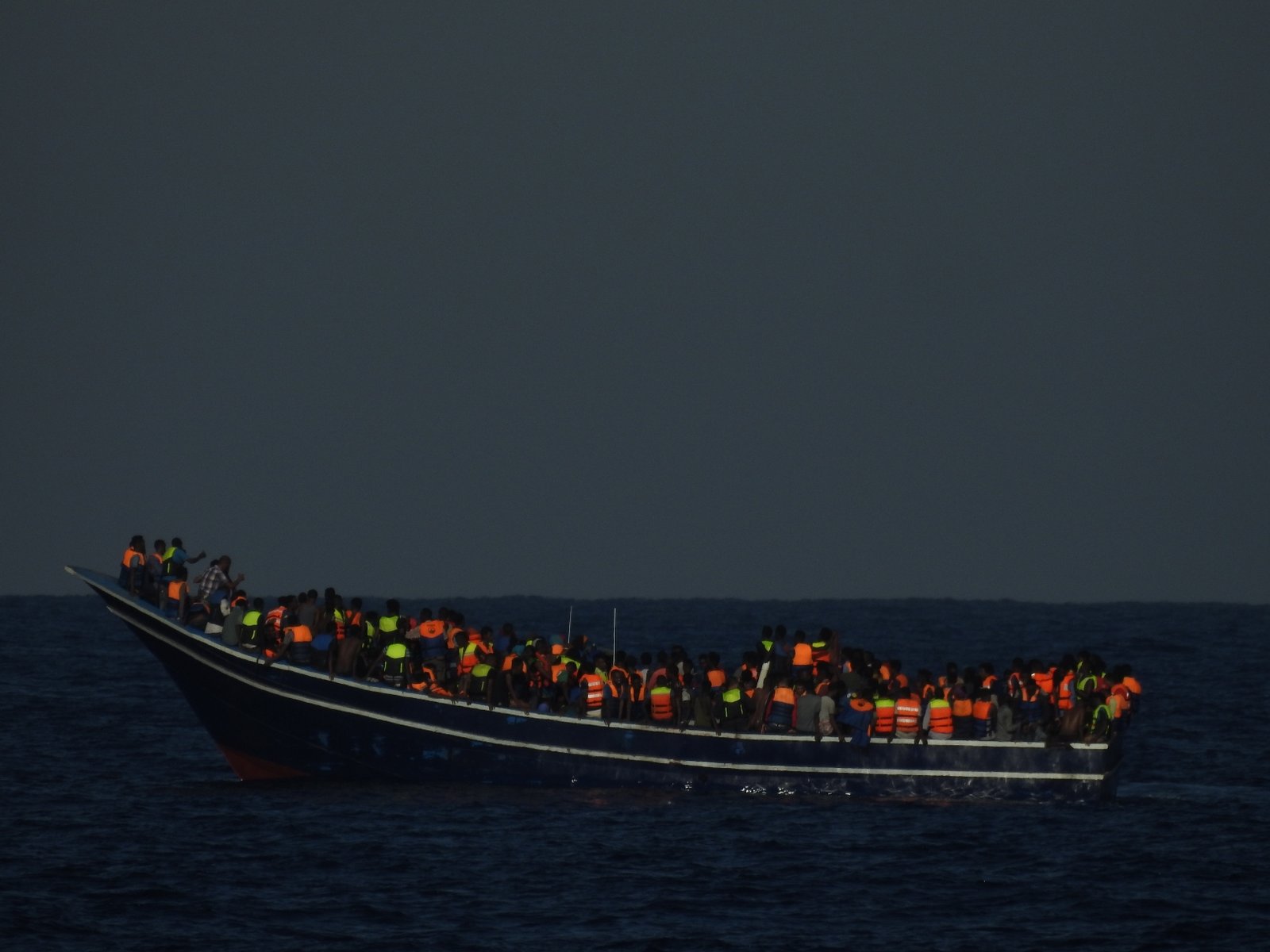
ITALY: Escalating criminalisation of search and rescue organisations


Throughout 2026, Italian authorities have been continuing to use administrative sanctions, vessel detentions, fines, and criminal proceedings to restrict the work of civil society organisations carrying out search and rescue (SAR) operations and defending the rights of migrants. The developments illustrate a sustained and systemic trend of criminalising solidarity with migrants, providing humanitarian assistance, and defending human rights at Europe’s borders.
The pattern is particularly concerning in the Central Mediterranean, where SAR organisations face repeated sanctions that directly reduce their operational capacity. In 2026 alone, Italian authorities have imposed multiple fines and detention orders on humanitarian vessels following rescue operations. For example, in January, the crew of thecivilian search and rescue vessel Sea-Watch 5 were subject to a 15-day administrative detention and a €7,500 fine after the rescue of 18 people in international waters. The measure was based on the alleged failure to notify the Libyan authorities during the rescue operation. Sea-Watch stated that notifying the Libyan authorities would have exposed the rescued persons and the crew to serious risks. This was followed by a further 20-day detention and €10,000 fine in March. The vessel Humanity 1 was detained for 60 days and fined €10,000 in February, while Aurora was detained for 45 days and fined €7,500 in April. The Trotamar III vessel has faced repeated detention following rescue operations, for example in July, when Italian authorities imposed a 45-day administrative detention and a €10,000 fine on the NGO sailing vessel.
The pressure has also extended beyond administrative measures. In May, following the disembarkation of rescued people in Brindisi, Italian judicial authorities opened a criminal investigation against the captain of Sea-Watch 5 for facilitating irregular immigration. Police searched the vessel, seized documents and equipment, and questioned crew members.
These cases are illustrative of a wider pattern rather than isolated incidents. Civil society reports and documentation have for years warned about the growing criminalisation of solidarity with migrants across the EU, including criminal proceedings, administrative sanctions, harassment, and other forms of pressure against individuals and organisations assisting migrants. SAR organisations in the Mediterranean have been among those particularly affected.
The repeated targeting of humanitarian actors raises serious concerns for freedom of association, the protection of human rights defenders, the right to provide humanitarian assistance, and civic space more broadly. Administrative detention and financial penalties can immobilise rescue vessels for weeks or months and criminal investigations create additional legal, financial and reputational pressure. Even where sanctions are subsequently overturned, the measures have a deterrent effect on humanitarian and civic action.