GERMANY: UN Special Rapporteur concerned for the state of freedom of expression
The United Nations Special Rapporteur (UNSR) on the freedom of opinion and expression, Irene Khan, reported increased restrictions on freedom of expression in Germany after an official visit in February 2026. UNSR Khan met with government and state officials, anti-discrimination bodies, the National Human Rights Institution, court representatives, state media representatives, as well as civil society and rights defenders across Germany.
Antisemitism, Islamophobia, anti-migrant sentiment, and anti-gender rhetoric have increased, often amplified online, creating a climate of fear that discourages minorities, activists and public figures from speaking out. At the same time, political actors with racist or authoritarian agendas frame government responses as “censorship,” exposing polarisation and gaps between how people understand what freedom of expression means in a democratic society.
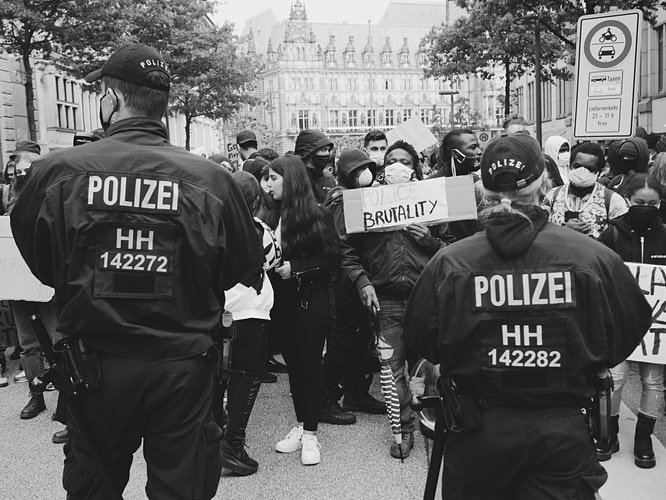
The UNSR’s report particularly highlights extensive restrictions on Palestine solidarity-related protests, events, and speech. Measures by the German authorities listed in the report include protest bans, arbitrary arrests and detentions, excessive use of force, threats of deportation, and raids on the homes of human rights defenders based on vague notions of “extremism”, restrictions on slogans and public speech, and claims that criticism of Israeli government policy is antisemitism. These were reported to be in breach of human rights standards. These practices have led to stigmatisation and self-censorship, especially in academia, artistic and civic spaces. According to the report, media freedom remains relatively strong, but faces pressures from polarisation, attacks on journalists, and the increasing power of social media platforms and AI.
The UNSR emphasises that Germany has a dual obligation: to protect vulnerable groups from hate and violence, while safeguarding robust, pluralistic public debate. The report calls for the German authorities to move away from an overly criminalised and security-oriented approach to invest in human rights awareness and education, as well as smart regulation of social media platforms and digital and media literacy to ensure freedom of expression remains a living pillar of democratic life.