
POLAND: New attempts to criminalise humanitarian assistance

In October, Poland’s Ministry of Justice and Ministry of Interior proposed amendments to the Criminal Code and the Code of Misdemeanours in the article related to irregular migration. The proposed provision could lead to the criminalisation of solidarity and humanitarian assistance to migrants and refugees, introducing prison sentences of up to three years for those providing life-saving aid, such as water, food, clothing, shelter, and medical assistance at the Polish-Belarusian border. The proposal was strongly criticised by Polish civil society organisations, as well as the Commissioner for Human Rights, who warned that, in practice, it could lead to criminal liability for people providing legitimate humanitarian assistance. As a result of the swift mobilisation, the government withdrew the proposal, which civil society celebrated as a big victory. However, it is unclear if the outcome is definitive, or if there will be further proposals by the government. Civil society will continue monitoring the situation in case other proposals arise.
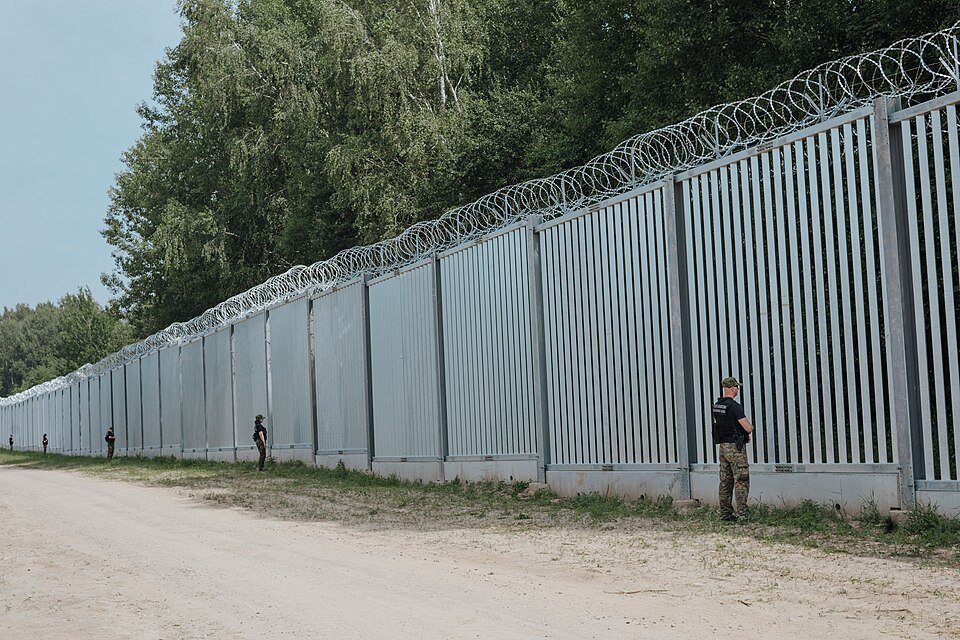
The October proposal follows previous initiatives and cases aimed at criminalising humanitarian aid and the work of migrants’ rights organisations in Poland. The humanitarian crisis at the Polish-Belarusian border emerged in 2021, driven by the Belarusian authorities’ orchestrated facilitation of migrant arrivals as a form of political pressure on the EU. In response, the two Polish governments implemented several practices that restricted humanitarian assistance at the border. These include denying journalists, civil society organisations and local residents access to the border zone through the creation of a “no-go” buffer zone; systematically carrying out so-called push-backs, involving the illegal forced return of people to Belarus without examining their asylum claims; and introducing temporary, territorially limited suspensions of the right to apply for international protection, the latest in September 2026.