

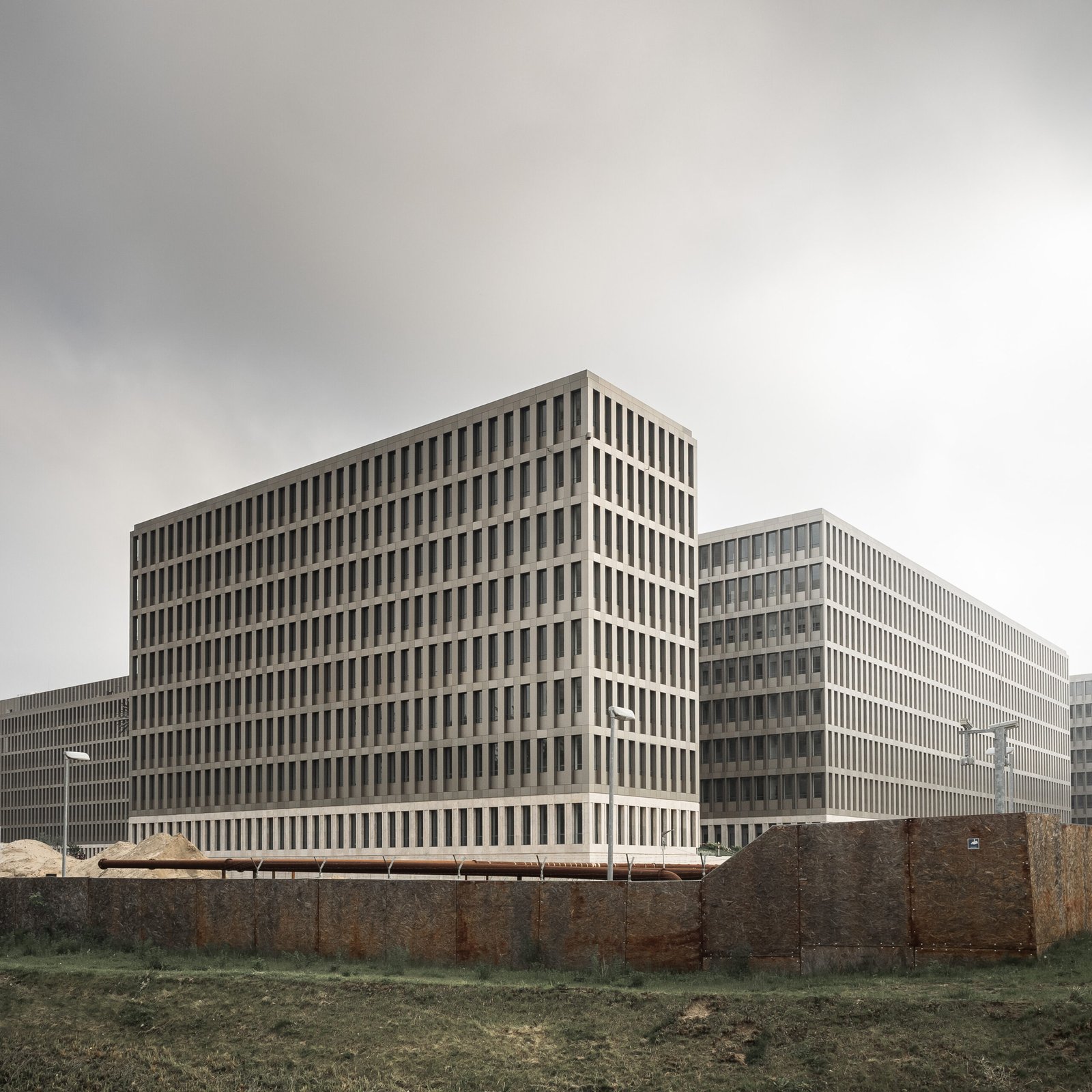
GERMANY: Reform of intelligence agencies threatens safe space for activism


The German government is working on a comprehensive reform of the German intelligence services and adopted amendments to the Intelligence Services Act on 12 August. The opposition as well as civil society organisations (CSOs) are concerned that this poses a significant threat to activism and civic engagement.
Through this new proposal, the German external intelligence service, Bundesnachrichtendienst (BND), and the internal intelligence service, Bundesamt für Verfassungsschutz (BfV), would be given broader powers to counter foreign cyberattacks and sabotage. Furthermore, the task of overseeing the BND and BfV is to be centralised in a new authority which lacks the technical expertise and personnel for proper control. Most importantly, both agencies would now have the authority to carry out operational tasks which, according to human rights organisations, would lead to a significant change in their roles and weaken the traditional separation between intelligence agencies and police authorities in Germany.
The separation between police and intelligence authorities is intended to prevent the dangerous concentration of state power. The BfV and BND collect data, identify threats to the German constitution, and monitor them. However, operational actions such as an arrest or search have to be carried out by the police. This distribution of power between police and intelligence agencies ensures institutional control and public transparency. Under the new bill, the BfV could identify a suspicious organisation and then search its premises or laptops without any external control and without informing the suspect. This would be a serious breach of the rule of law and could have far-reaching consequences for fundamental freedoms.
The BfV has already been heavily criticised for monitoring climate activists such as the direct action movement Ende Gelände. The BfV accuses the group of attracting young people through its fight against global warming and its scepticism towards capitalism while secretly fighting for “system change.” The movement was classified as a Verdachtsfall (a possible threat) first in the state of Berlin in 2019 and in 2023 at the federal level, which allows for an extended investigation to verify this suspicion. Nevertheless, the German Basic Law does not prescribe a particular economic system. Protesting against fossil fuels, international corporations, or even against capitalism itself is a fundamental right protected by the German constitution.
The constant threat of being secretly monitored already affects climate activists and has a chilling effect on their freedom of expression, assembly and association. This will be intensified if intelligence agencies are given broader powers and control mechanisms are curtailed.